Help endangered bats (pollinators of the night)
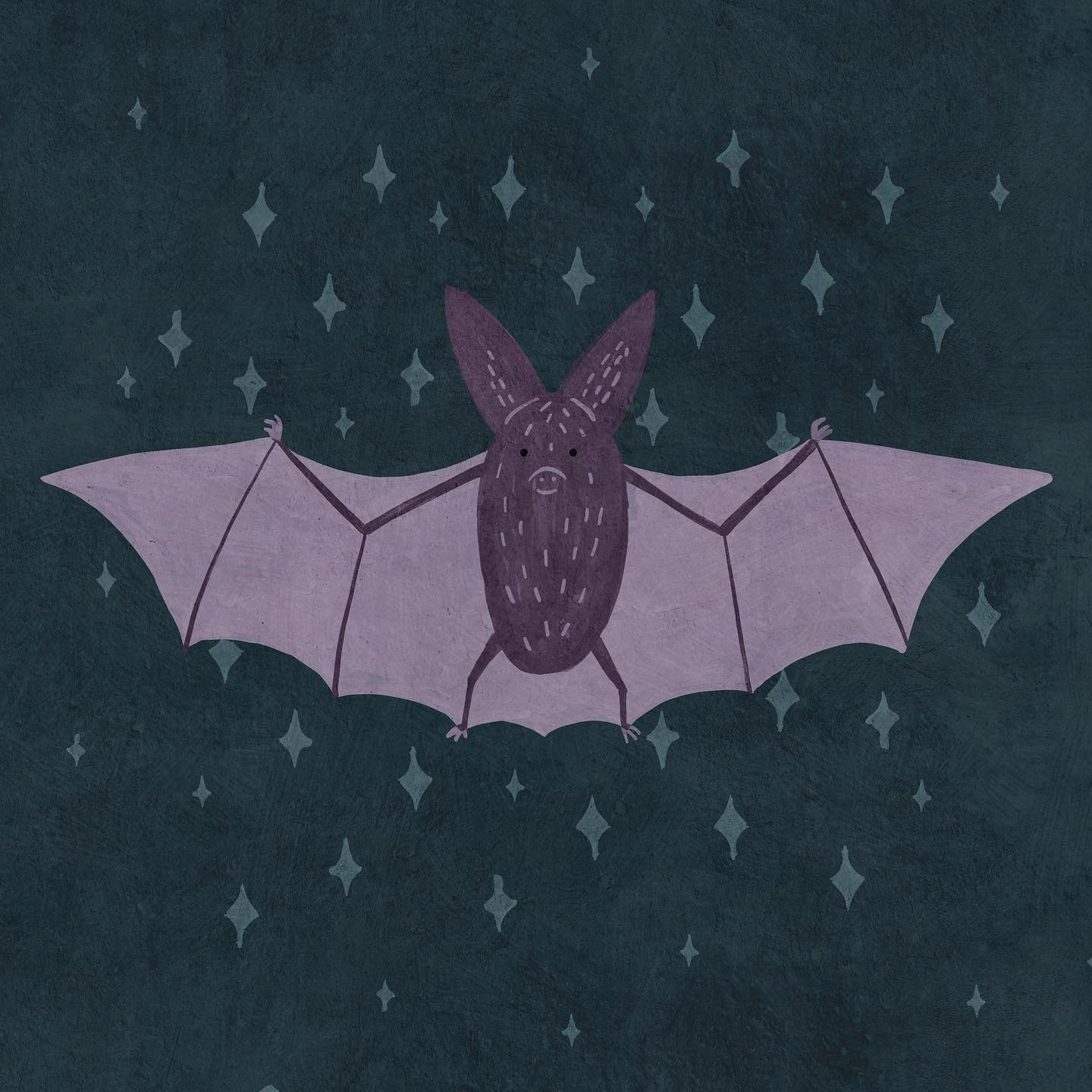
Bats are the world’s only flying mammals. They are not blind (but don’t see well and use echolocation to get around, hanging upside down simply as it’s easy to fly off from predators). Due to lack of natural habitats (tree hollows, hedgerows), bats are now endangered.
No bats in England are dangerous (the only people at slight risk would be rescue volunteers who know what they are doing, and wear protective gloves).
Bats in England don’t suck your blood or land in your hair, and the last case of rabies from a bat was in 1922 (the last case of animal rabies was in 1969/1970 when two dogs sadly died soon after their quarantine period).
Bats come in all shapes and sizes. Across the globe, there are over 1,400 species! These critters can be found in various habitats, from lush rainforests to bustling cities.
Some are pint-sized like the tiny bumblebee bat, while others, like the flying fox, boast impressive wingspans. Whether they’re roosting in caves or hanging out in trees, bats have adapted marvellously to their environments.
Bats are nature’s pest controllers. A single bat can eat thousands of insects in one night! That’s a lot of mosquitoes saved from biting us. They also play a vital role in pollination, contributing to the growth of fruits like bananas, mangoes, and guavas.
It’s illegal to disturb bats unless you’re qualified. If concerned about injured bats, disturbance or crimes, call Bat Conservation Trust, which runs a free helpline from people who are batty about bats!
Simple tips to help endangered bats
- Cats are natural predators, so don’t encourage bats to gardens if you live with feline friends (keep them indoors at dusk when bats emerge (and also dawn, when bird are feeding, avoiding ‘climbable’ feeding posts).
- Take particular care from mid-June to end August (when bats have babies). If cats bite a bat, call the helpline above (which has info for vets) as cat saliva can kill a bat.
- Leave your garden ‘messy’ to provide long grass and natural habitats (a pipistrelle bat eats 3000 insects in one night).
- Leave mature trees (for hollows) and check compost heaps before turning.
- Learn how to build a wildlife-friendly pond (with sloping sides) as bats also eat water insects.
- Securely bin all garden chemicals and grow organic food and flowers. Learn more on how to make gardens safe for pets.
- Plant organic night-scented flowers (bats love Michaelmas daisies). Bats also like willow and elder (toxic near pets) as they feed on leaf-eating insects.
- Bat Conservation Trust has expert info on bat boxes including the best brands (some can integrate into walls) and how to care for them (avoid paint and pesticides).
- The site also has tips to make roads safer for roads.
Bats in particular avoid bright lights, because it confuses night vision, when hunting for insects. So use orange-hued wildlife-friendly lighting, which councils can buy and install.
Small wetlands attract insects, a top food source for birds and bats, so will drive them away from urban areas. Linking woodlands, ponds and hedges helps wildlife move from place to place, without encountering road traffic.
Helping Daubenton water bats
If you’re an angler, look out for Daubenton’s bats (which live on rivers) as they fly low (like a hovercraft) to take insects and sometimes get caught on fishing lures.
If you accidentally catch one (and it can’t free itself in a few minutes), cut the line (close to the fly) but don’t remove the hook yourself. Wrap with a cloth (or wear gloves) and call Bat Helpline (above) for advice.
How churches can help bats (and owls!)
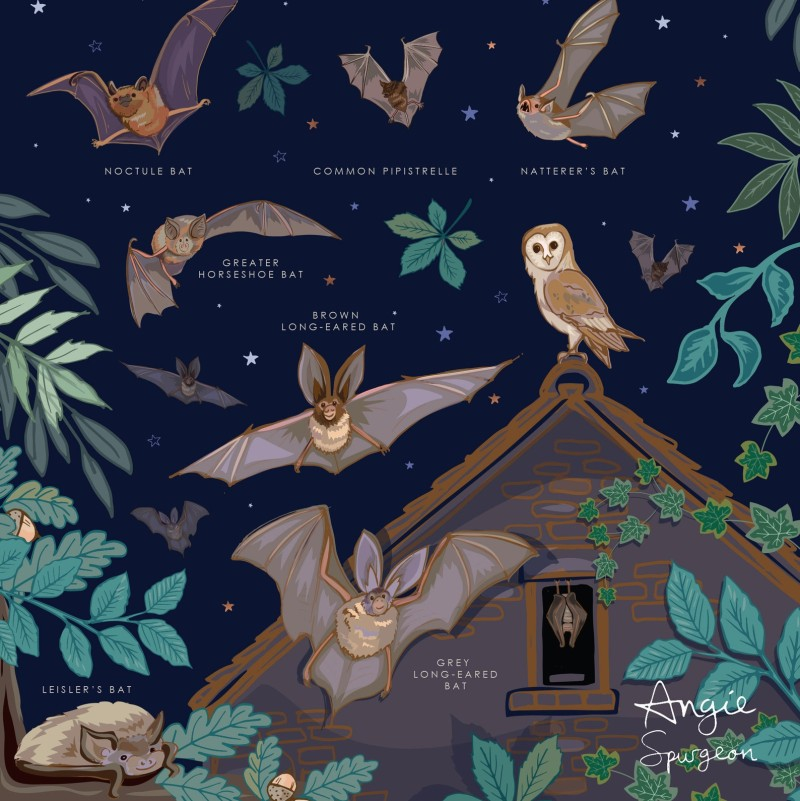
If you look after an old church, there’s a good chance that you have bats (and possibly wild owls) living there. Due to lack of natural habitats, churches (and old barns) are ideal habitats to nest and sleep.
Old eaves and ancient buildings are just the places that these creatures choose, so let’s find some help, you know how to help them!
You can’t disturb bats, owls or owlets, unless a licensed wildlife worker.
- Bats in Churches is a website set up to help congregations help roosting bats, know how to safely clean the areas, and approach building projects. The site is also useful for architects and town planners.
- Bats need (night-scented) flowers for pollination. If you live with animal friends, learn about pet-friendly gardens, to avoid toxic plants.
- For help on siting bat boxes and reducing road collisions (for planners), contact Bat Conservation Trust.
Understanding our most mysterious mammal
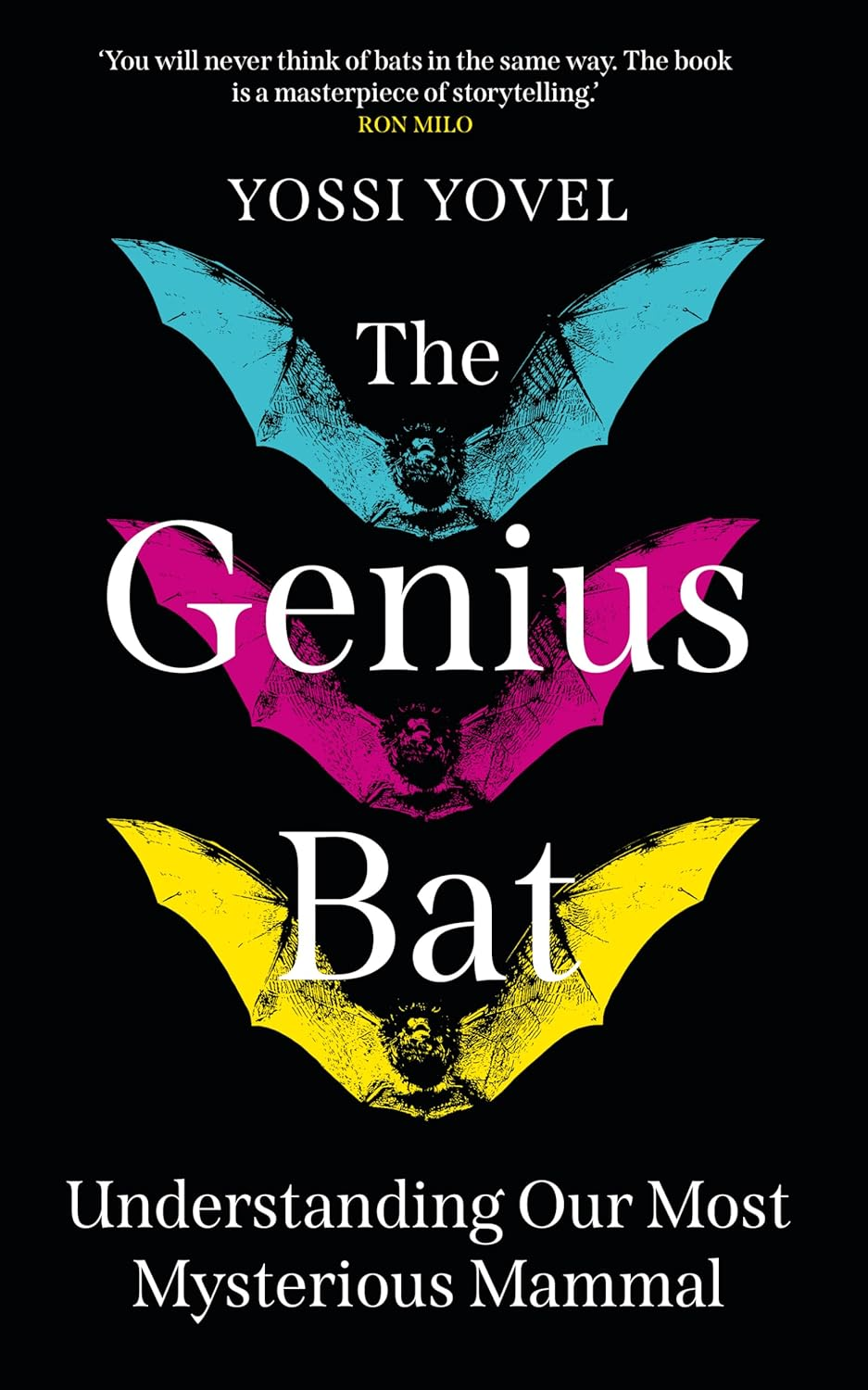
The Genius Bat is a book to change your mind about beautiful bats, if you think they drink your blood and flap about in your hair! National Geographic says that this book ‘brings the poster-species of Halloween out of the shadows, so we can better appreciate the flying mammal’.
Usually, you will hear a bat before you see it (bats don’t see well and hang upside down for a quick getaway).
England’s only flying mammal (also endangered due to lack of habitats) flies by echo-location using a high-pitched chatter, diving and rolling for insects (eating huge amounts each night).
And if you do see a bat, it’s usually simply a ‘blur against the evening sky’.
In this book, you’ll learn about all species of bats – from tiny bumblebee bats that could rest on your index finger, to giant golden-crowned flying fox bats (1.5 metre wings!). Bats can not just fly, but can do so at speeds of up to 100mph (beating cheetahs!)
The author is passionate about bats, and in this book brings to life these amazing creatures (and introduces you to the sometimes eccentric people who study them – batty about bats!)
By page eight, I was a confirmed batman. This book is no dry-as-dust science text. Prof Yossi is the Indiana Jones of chiropterology. It’s bonkersly interesting. John Lewis-Stempel
We can blame our negative attitude towards bats on a certain Victorian novelist. Here fortunately is the book to counter Dracula, and present us with a perfect PR campaign for bats. Spectator
Author Yossi Yovel (what a great name!) is an ecologist and neurobiologist. A professor at Tel Aviv university, he is currently a visiting scholar at a university in Montreal (Quebec).
Concerning developments within Reform UK
Recently at the Reform UK conference, Richard Tice said that if he became part of the government, he would relax all the rules to protect bats, in order to build more homes.
We need more affordable housing, but not at the expense of one of our most endangered species. This is just lazy thinking, there are plenty of ways to prevent homelessness.
Mr Tice recently blasted a wonderful bat bridge and tunnel in Lincolnshire by Natural England (not the same as this site: England, Naturally!) as a form of wildlife crossing (which would also help other creatures) as an ‘outrageous waste of money’.
GB News recently complained that a building project was delayed due to finding ‘one of Britain’s rarest bat species’. Most people would be in awe.