Urinary Tract And Incontinence Issues (tips to help)
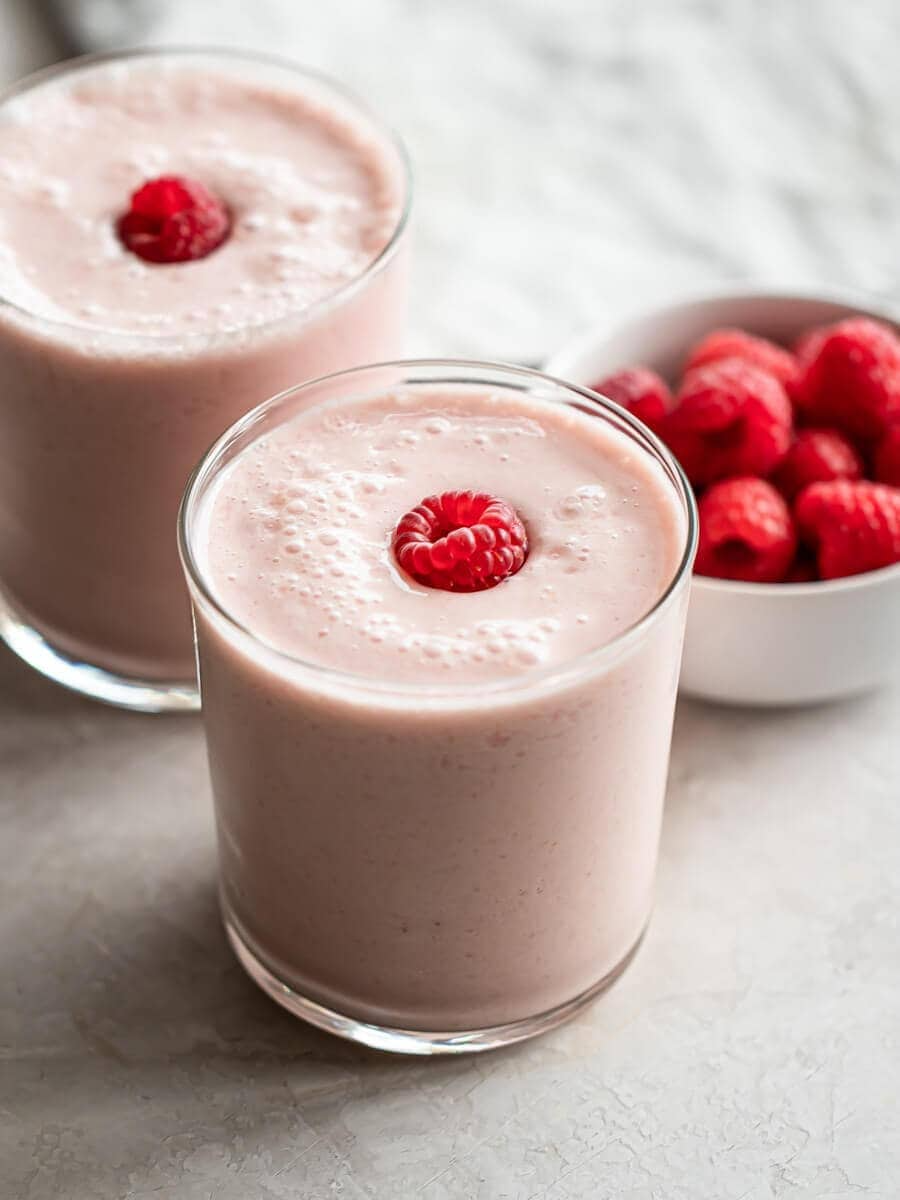
This raspberry smoothie (Real & Vibrant) is good for urinary health.
England is full of people who are always popping to the loo! As people get older (or sometimes due to being overweight or having bladder conditions or enlarged prostates), it seems that toilet trips are more frequent.
That’s why we need more free public toilets (as often older people don’t go out or restrict liquids, as they are worried about not finding somewhere to spend a penny).
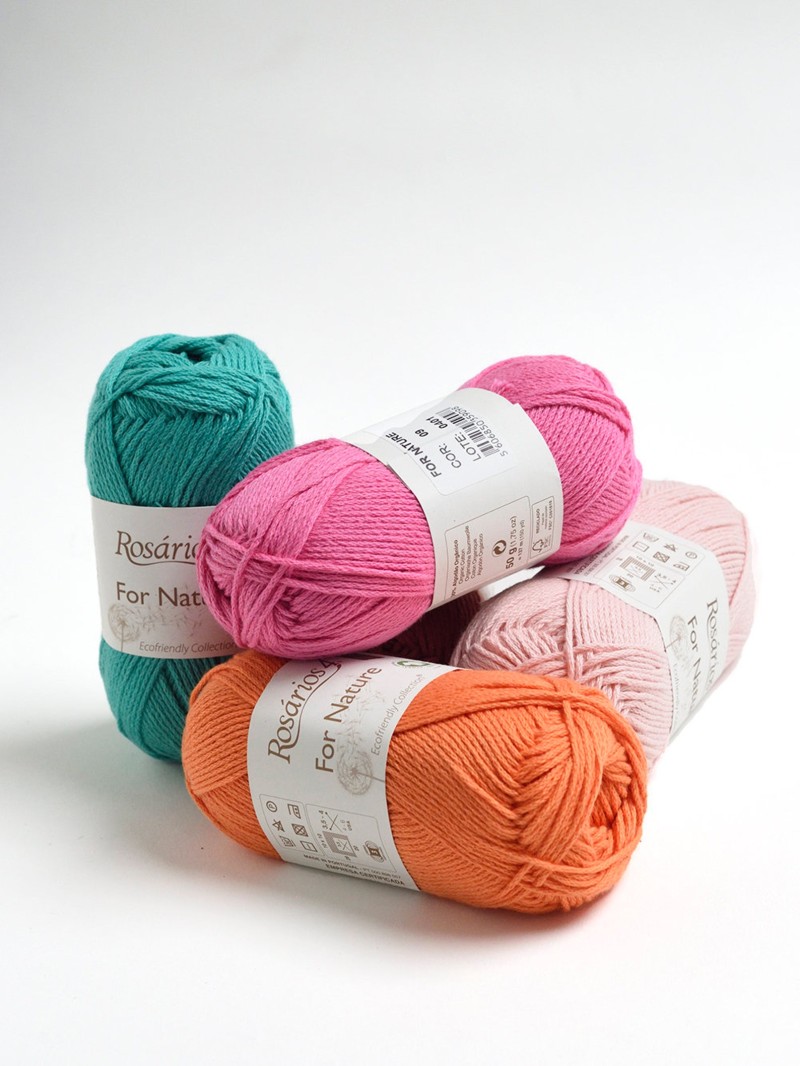
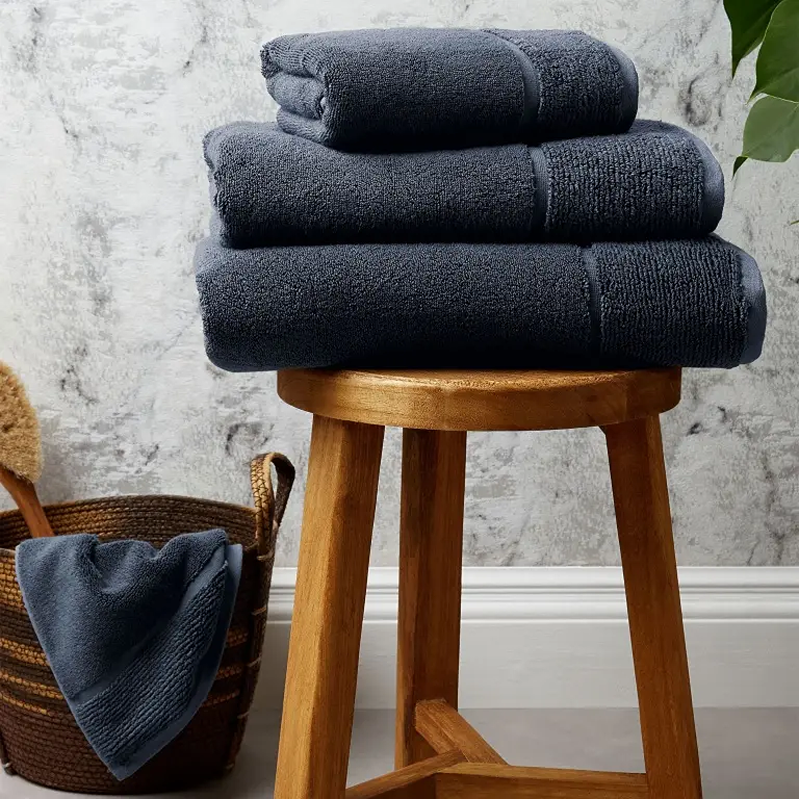
Also if you pop to the loo a lot, switch over to forest-friendly bathroom tissue (to save trees!) These brands are just as comfy, sold in plastic-free packaging and work out cheaper when you subscribe online.
Here are some good tips for a healthy urinary tract
Stay at your ideal weight
Carrying extra pounds puts more pressure on your bladder! Learn to cook a few much-lower-in-calories plant-based recipes!
Pears (and raspberries) are low-acid foods, that don’t irritate the bladder.
Stay hydrated
Six to eight glasses of water a day is a good aim for most people. Drink two glasses before each main meal, to easily achieve this. Avoid caffeine and alcohol (they can irritate the bladder). Make a few tweaks for less leaks!
Tone up your pelvic floor muscles (women)
Tone up your pelvic floor muscles. These are the muscles you use to pee. Tighten as if you are about to pee, then hold for a slow count of five (don’t hold your breath). Release, reset for five seconds, and repeat 10 times. Do this three times a day.
Sustainable helpers for incontinence
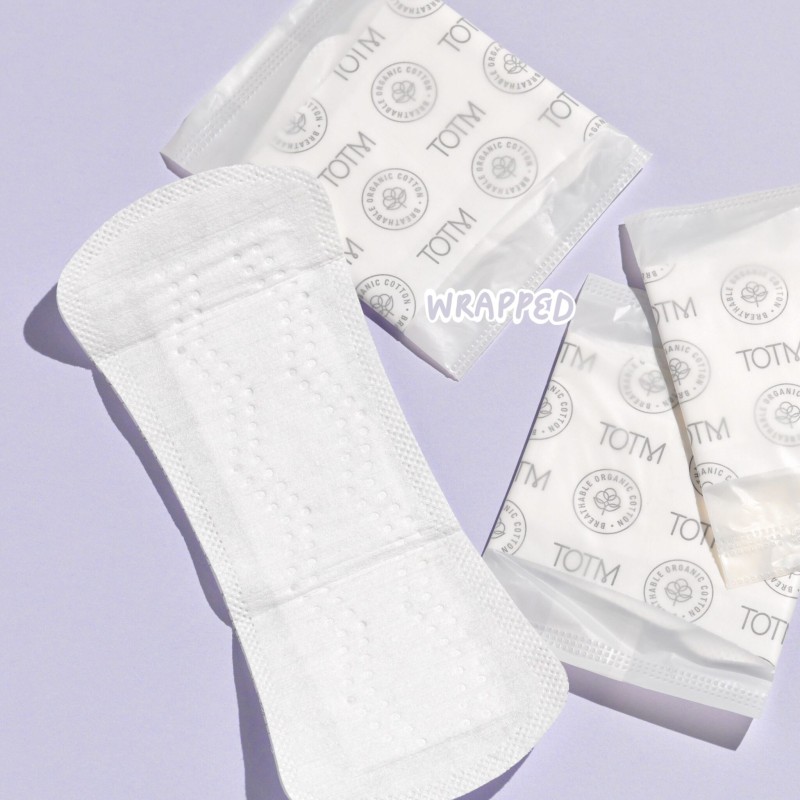
Bladder incontinence is a lot more common than people think, often because many people don’t tell anyone they have it. It’s common during pregnancy and medical conditions Parkinson’s and MS).
- Organic feminine care pads can also be used for light incontinence. TOTM liners are made with organic cotton and wrapped in compostable film and cardboard boxes.
- Cheeky Wipes (also for men) makes washable incontinence pads (launder in a microfibre filter and air-dry). Remove stains with oxygen bleach.
- The Just Can’t Wait Card is helpful to discreetly ask to use toilets.
- Uribag (free on the NHS, ask your GP) is a portable latex canister (empty your pee on the kerb, then wash at home). The female version is bedbound patients (or use Shewee (pee without undressing).
Sustainable supplements for urinary tract health
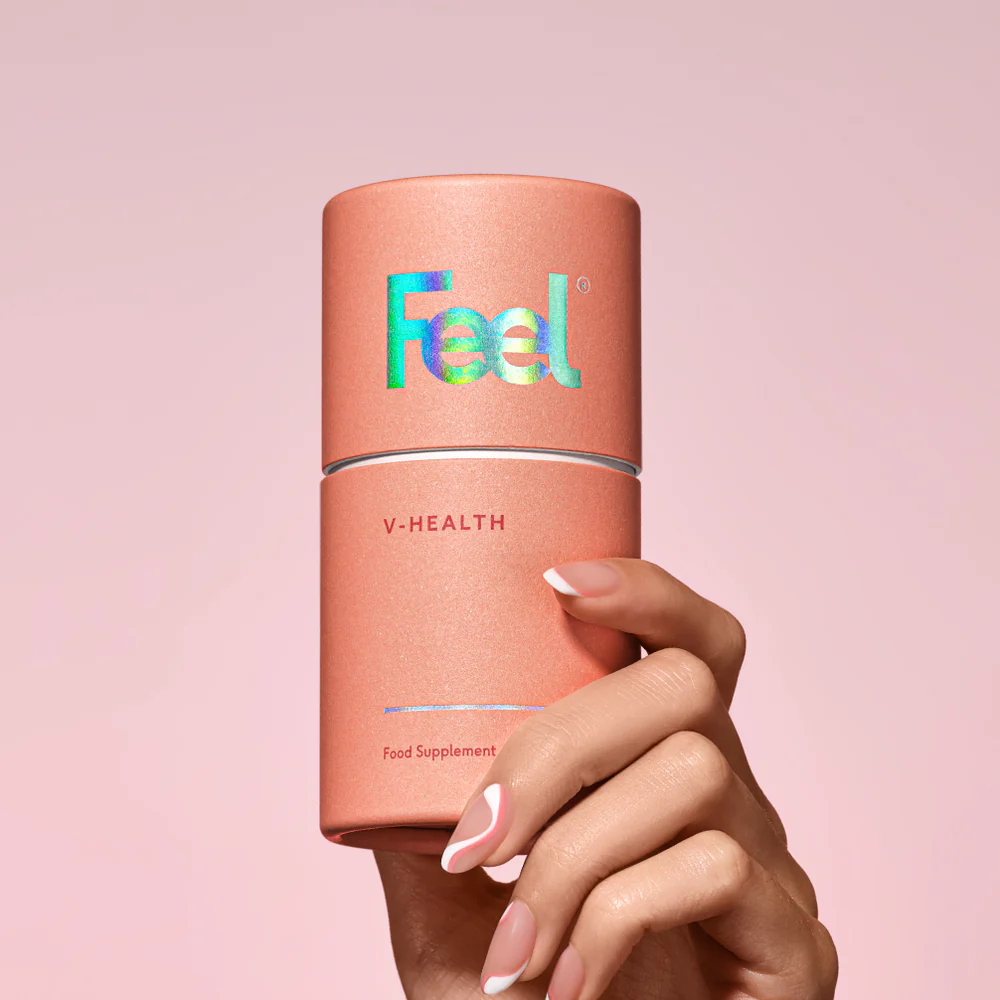
Feel V-Health is a quality nutritional supplement formulated by experts, and sold in zero waste sustainable packaging. All their products are vegan and not tested on animals.
This supplement is designed to support against recurrent urinary tract infections (often due to over-use of antibiotics), and restore feminine health, using the best ingredients including D-Mannose, Uva Ursi, Cranberry extract, evidence-based botanicals and two V-health targeted live-bacterial cultures.
Check with GP before taking supplements if on medication (or if pregnant/nursing). Keep supplements away from children and pets and recycle unused ones at pharmacies (never flush down the loo).
When to expect improvements
A daily intake with this supplement alongside more fluids should see quick improvements. Also eat plenty of fresh produce, as vitamin C will help your overall immune system.
- 1 month (D-Mannose and cranberry extract should be fighting E.coli bacteria in the urinary tract wall, and vitamin C should have increased for better immunity)
- 3 months (less urinary tract infections and better feminine health)
- 1 year (stronger immunity and less UTIs)
Dr.Vegan PH Hero is a quality supplement, the first order is sold in a refillable metal tin. You then just order refills in eco-friendly pouches after that, to save on waste and save money. Subscribe online for big savings, once you have the first order with the tin.
Designed to help women’s urinary tract health, it contains 12 billion CFU live cultures, along with sea buckthorn, nettle and cranberry. Pears (and raspberries) are low-acid foods, that don’t irritate the bladder.
When to expect improvements
- In 2 weeks (less itchiness and urgency to urinate)
- In 1 month (less dryness and discharge)
- In 2 months (fewer signs of burning, itching or infections)