Who Gives a Crap? (recycled paper kitchen roll)
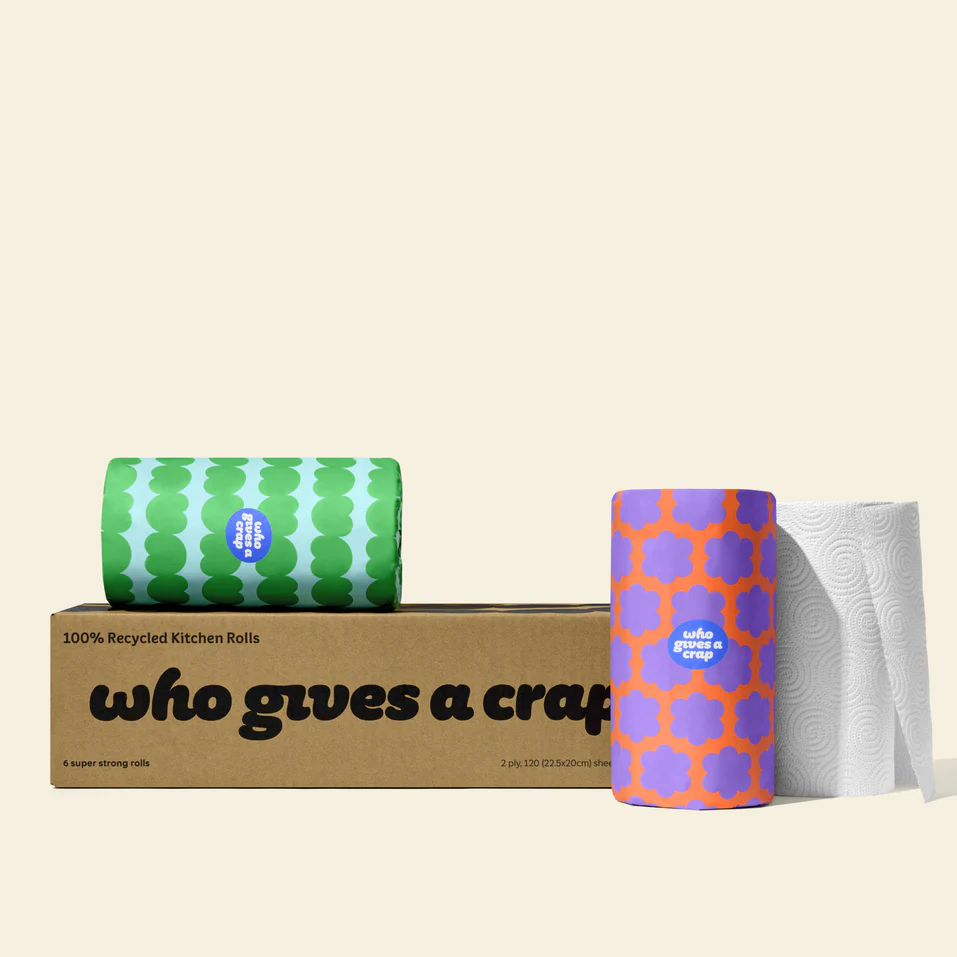
Who Gives a Crap? sells these fab kitchen rolls, made from post-consumer waste paper, and sold in colourful paper packaging. Known mostly for its recycled paper toilet roll, it’s now ventured into making a few other products, to help stop deforestation.
And this company donates 50% of profits to sanitation projects abroad, so that people have access to clean hygienic toilets.
Each double-length roll contains 135 strong sheets made from biodegradable, two-ply paper. The rolls contain no added scent, dyes, or inks, making them a simple choice for households that prefer fewer unnecessary ingredients.
Just bin used kitchen roll (it’s too thick to flush down loos, and too greasy to compost). If used, choose zero waste cleaning brands (unscented for pregnancy/breastfeeding/babies and near pets (citrus oils are toxic even if rinse/dried on floors or counters).
Why switch to eco kitchen roll?
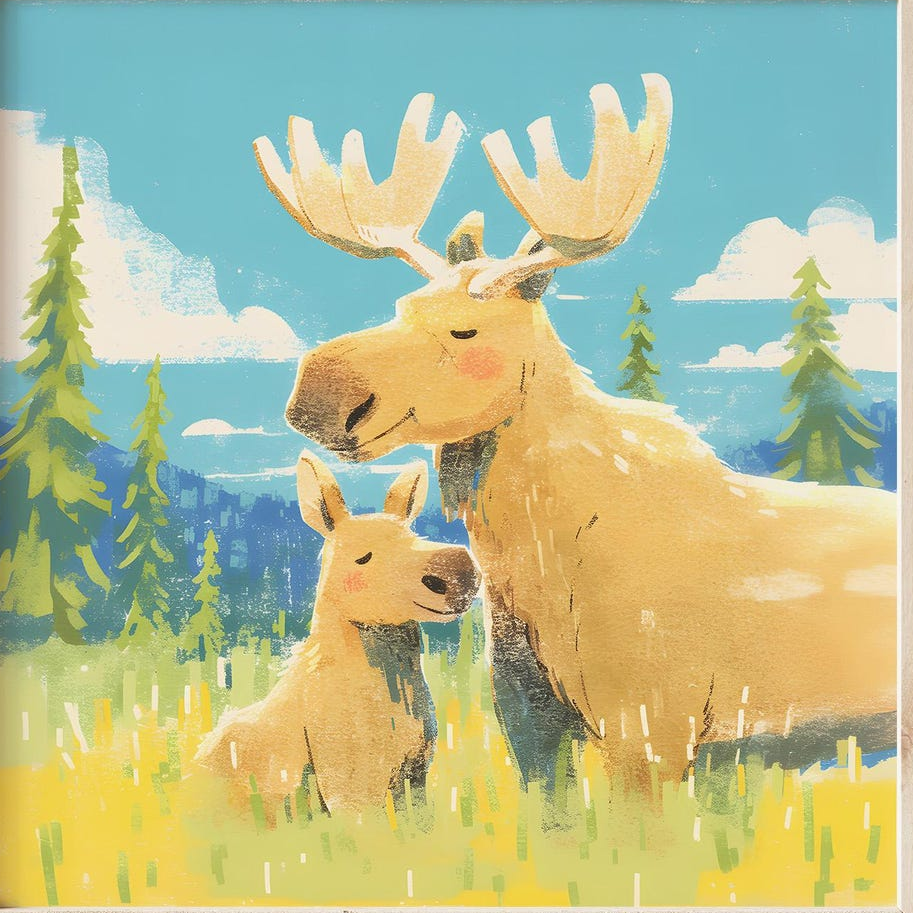
Each year, around trees are chopped down daily (mostly in Boreal forests that are home to moose, elk, wolves and grizzly bears), just to make kitchen roll and toilet paper that are then wrapped in plastic. Just imagine the effect if everyone switched to recycled paper, sugar cane or bamboo rolls instead?